Trading is a Beginner Friendly Path to Build Consistent Profits and Market Skills
· based on the channel Sierra Aaliyah
Key takeaways
- Start trading with $300–$2,000 recommended initial capital
- Paper trading is essential before using real money
- Understand calls vs puts and options vs futures to fit your schedule
- Use Webull as a broker and TradingView for charting
- Master market structure, candlesticks, and trading psychology first
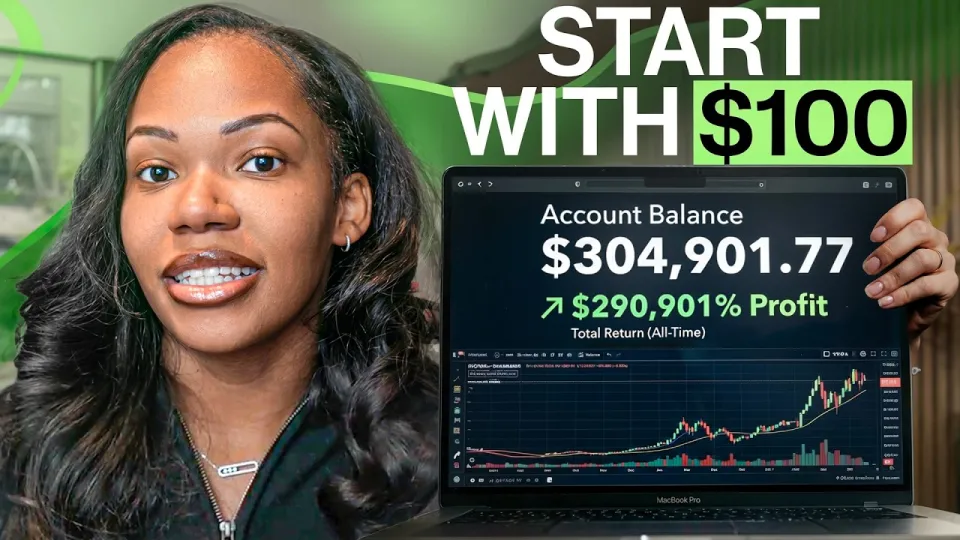
Video: How To Start Trading As A Beginner In 2026 (Step-by-Step)
Trading is a beginner-friendly path to building consistent profits and market skills by learning foundational concepts, managing risk, and practicing with the right tools. Whether you want to day trade stocks, options, or futures, starting with a clear step-by-step approach can help you avoid common pitfalls and build confidence. For those ready to begin, joining educational communities like the Crystal Academy Discord offers mentorship and support.
What Trading Actually Is and What It Is Not
Trading is the act of buying and selling financial instruments like stocks, options, or futures to profit from short-term price movements. It is not a get-rich-quick scheme but a skill that requires education, discipline, and patience. Unlike investing, which focuses on long-term growth, trading aims to capitalize on market volatility. Beginners should understand that losses are part of the journey and managing risk is crucial to long-term success.
Key Trading Instruments: Calls, Puts, Options, and Futures
Options trading involves contracts that give you the right to buy (calls) or sell (puts) an asset at a specified price before expiration. Calls profit when the underlying asset rises, while puts profit when it falls. Futures contracts obligate you to buy or sell an asset at a set price on a future date, often used for commodities or indexes. Options are generally more flexible for retail traders and can fit various schedules, while futures may require more capital and carry different risk profiles. Understanding these differences helps you select the right instrument for your trading style.
Essential Trading Tools and Platforms
A reliable broker and charting platform are vital. The popular broker Webull offers commission-free trading and is beginner-friendly, suitable for stocks and options. For chart analysis, TradingView provides powerful, intuitive tools to read candlesticks and identify market structure. Both platforms are widely used by beginners and professionals alike. Start by paper trading on these platforms to practice without risking real money.
The Three Foundational Concepts Every Beginner Must Master
- Market Structure: Recognize trends, support, and resistance to anticipate price movements.
- Candlestick Reading: Learn to interpret candlestick patterns that indicate momentum and reversal signals.
- Trading Psychology: Build emotional discipline to handle losses and avoid impulsive decisions.
- Mastering these concepts is more important than chasing complex strategies or high leverage.
Common Challenges Beginners Face and How to Overcome Them
Many beginners quit within the first two months due to unrealistic expectations, emotional trading, and inadequate preparation. To avoid this:
- Start with a small amount ($300–$2,000) to limit losses.
- Use paper trading to build confidence and test strategies.
- Avoid reacting to every market wiggle; focus on higher timeframes and institutional flow.
- Embrace a growth mindset: expect setbacks and learn from them.
- Join supportive communities or mentorship programs for guidance.
Common Questions and Doubts from New Traders
Many beginners struggle with chart reading, strategy consistency, and the fear of losing money. It is normal to feel overwhelmed initially and to lose on some trades. Consistency comes with time, practice, and refining your edge. Avoid chasing quick profits or copying every strategy you see online. Patiently building skills and understanding risk management will improve your chances of long-term profitability.
Useful Links
- Join the Crystal Academy Discord for mentorship and learning: https://whop.com/c/crystal-academy/youtube
- Sign up for Webull broker with free stock bonuses: https://www.webull.com/k/SierraUSA
- Follow Sierra Aaliyah on Instagram: https://www.instagram.com/sierra.aaliyah/
- Follow Sierra Aaliyah on TikTok: https://www.tiktok.com/@sierraxliyah
Conclusion
Starting trading as a beginner is achievable with the right mindset, tools, and education. Focus on learning foundational concepts like market structure, candlestick reading, and trading psychology before diving into complex strategies. Paper trading helps build confidence and discipline without financial risk. Platforms like Webull and TradingView provide accessible tools to practice and execute trades. Remember, trading is a skill developed over time, not a shortcut to wealth. For structured guidance and community support, explore Sierra Aaliyah’s Crystal Academy and join her Discord at https://whop.com/c/crystal-academy/youtube to learn with a supportive network.
Questions & answers
Is it necessary to start trading with a large amount of money?
No, beginners should start with a manageable amount, typically between $300 and $2,000. Starting small helps limit losses and reduces pressure while learning.
What is paper trading and why is it important?
Paper trading means practicing trading with simulated money to test strategies and build skills without risking real capital. It helps beginners gain confidence and understand market dynamics before trading live.
What are the main differences between options and futures trading?
Options give the right but not the obligation to buy or sell an asset at a set price before expiration, offering flexibility. Futures contracts obligate traders to buy or sell at a future date, often requiring higher capital and carrying different risks.
Can beginners become consistently profitable in trading?
Yes, but it requires patience, education, risk management, and practice. Most beginners face losses initially, but those who persist, learn from mistakes, and manage emotions can achieve consistent profitability over time.
Source: How To Start Trading As A Beginner In 2026 (Step-by-Step) · Markdown version